FULL-PROOF Workshop for LEAs in Bucharest
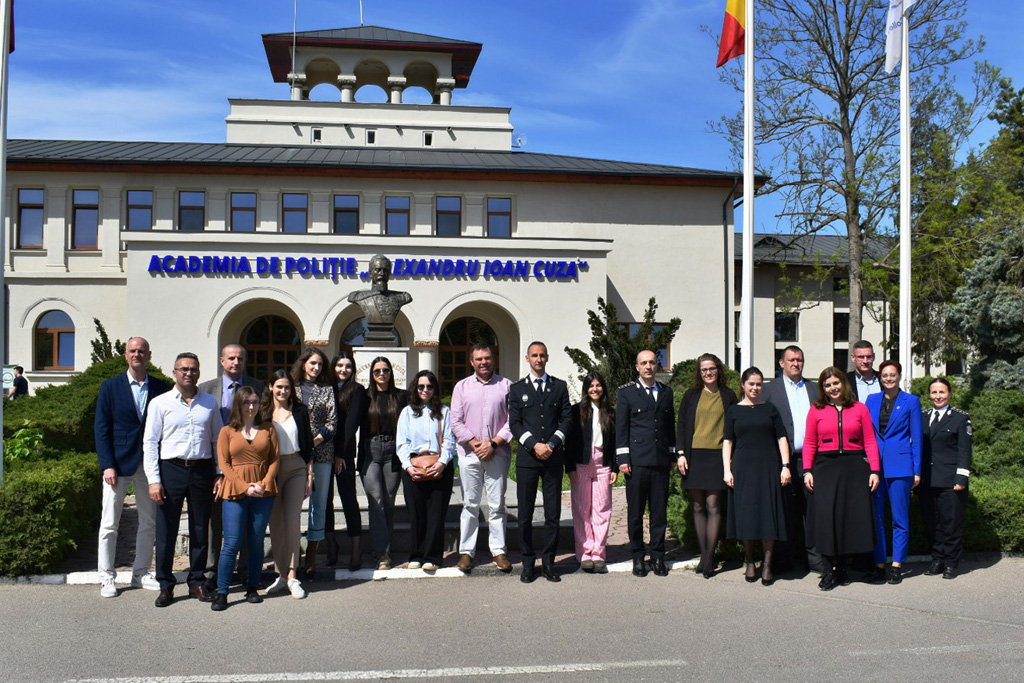
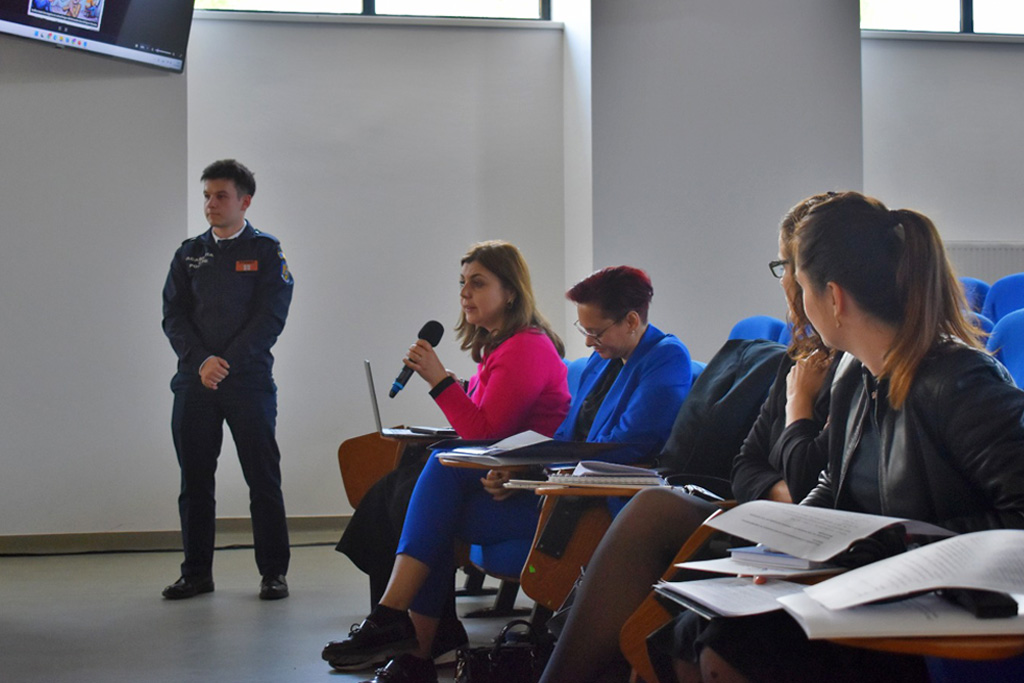
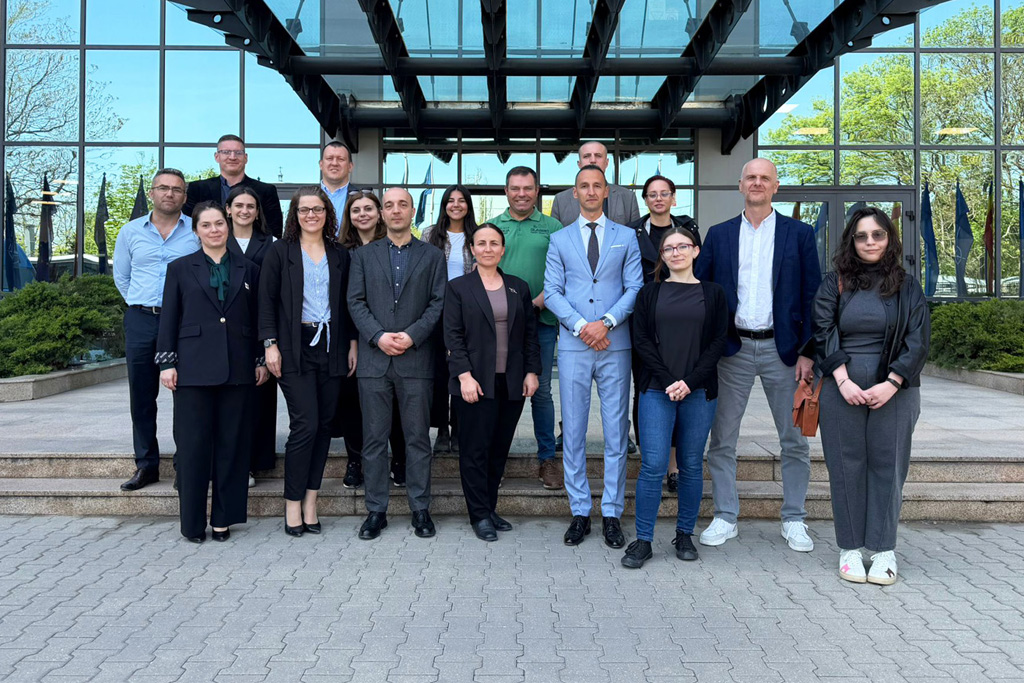
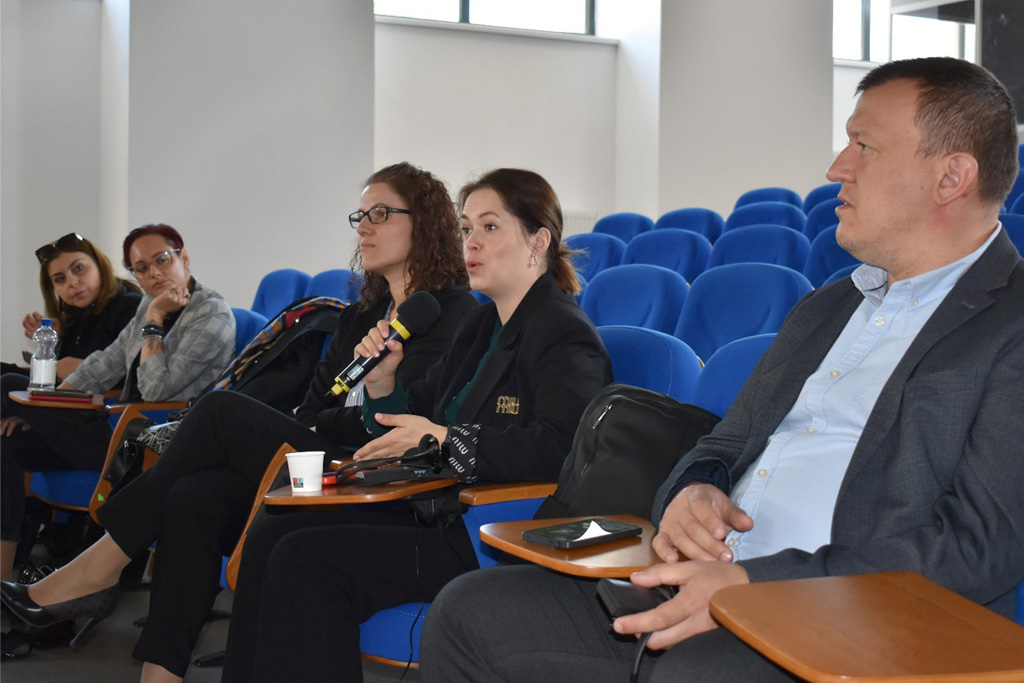
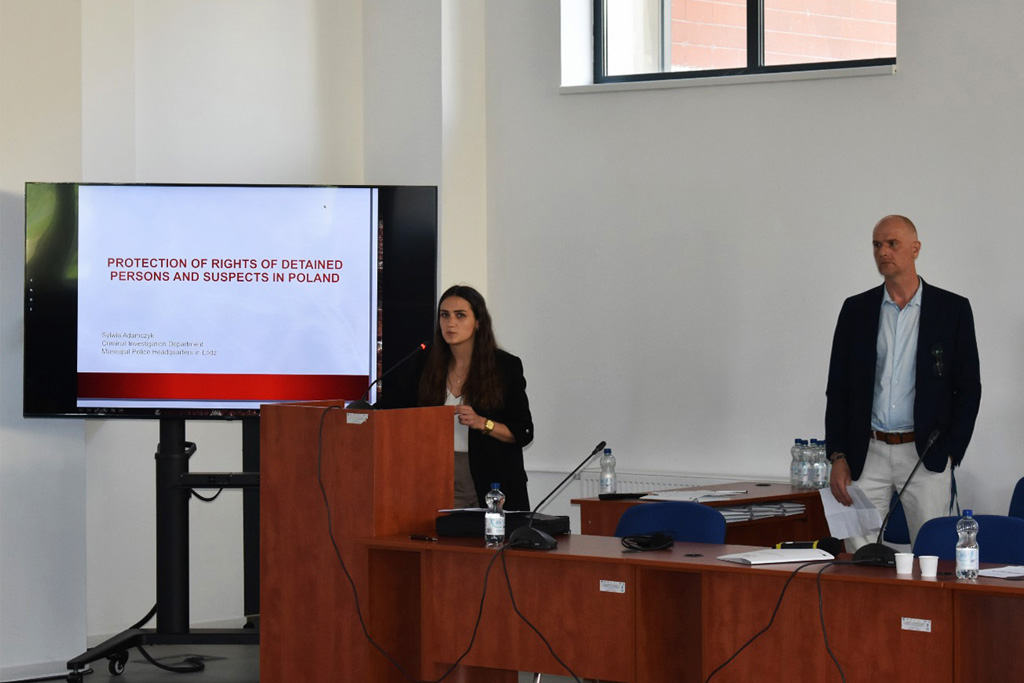
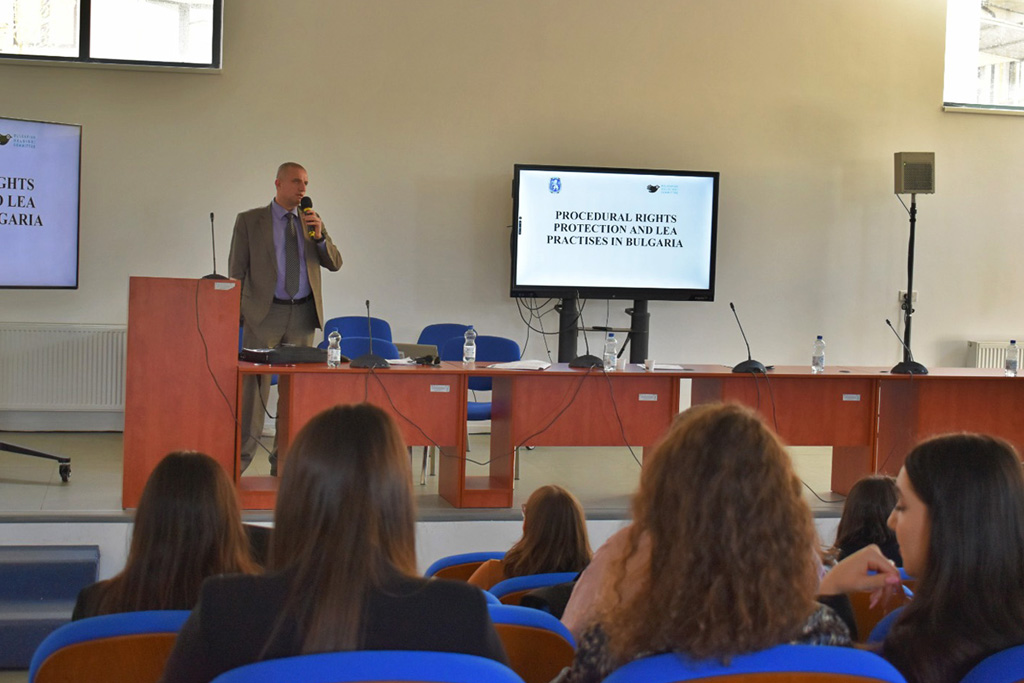
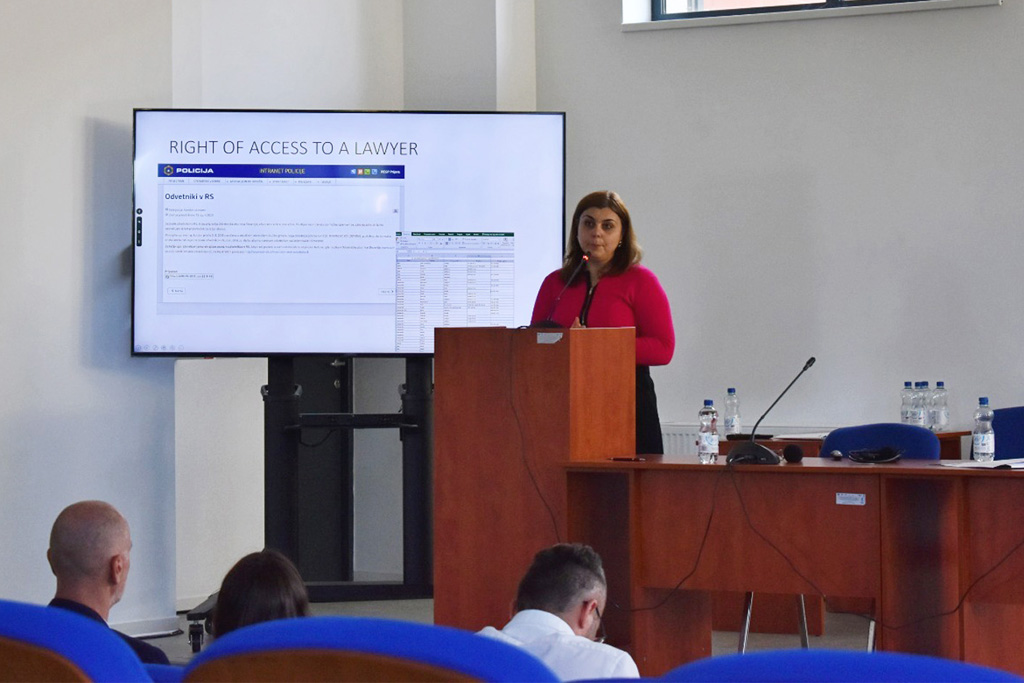
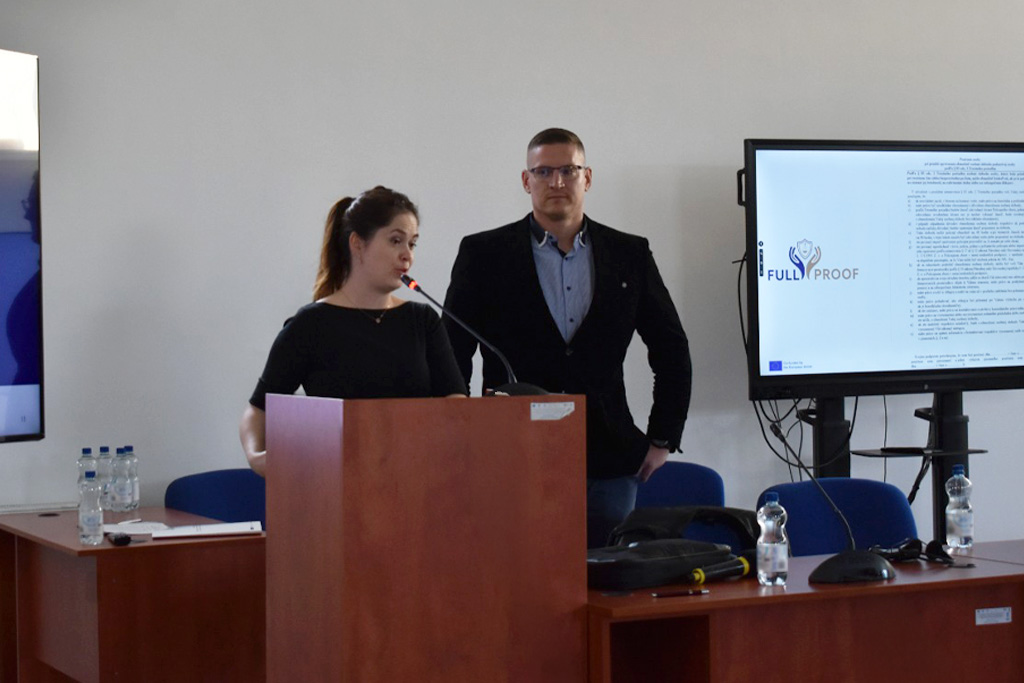
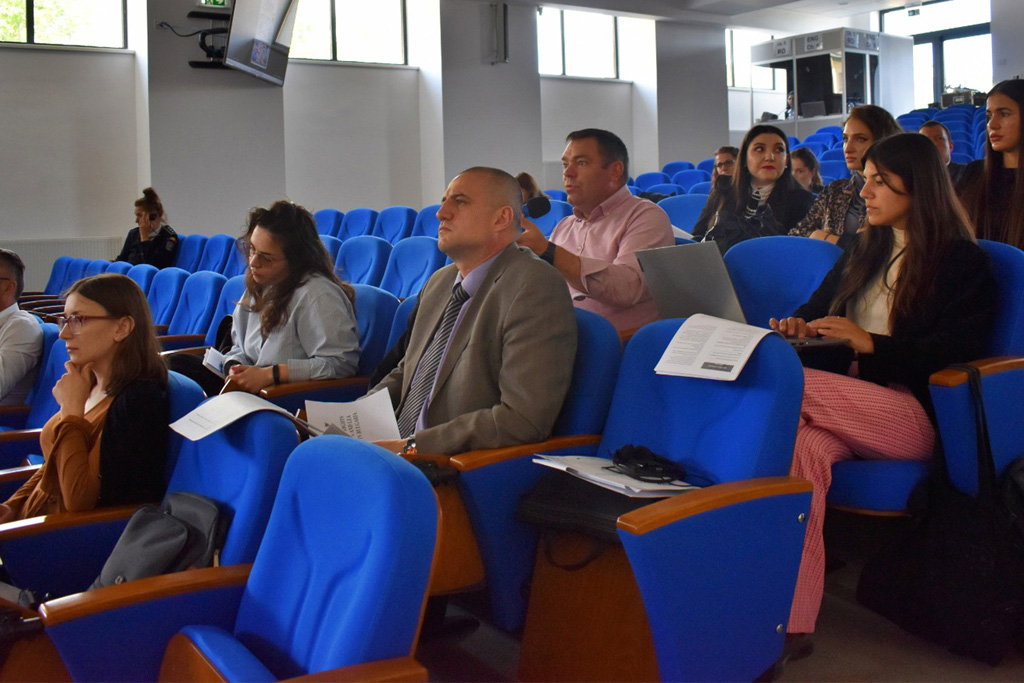
The “Cross-border Workshop for Law Enforcement Authorities (LEAs)”, organised by Alexandru Ioan Cuza Police Academy, took place on 27–28 April 2026 in Bucharest as part of the FULL-PROOF project. The event brought together representatives of law enforcement authorities, legal practitioners, and experts from Romania, Portugal, Poland, Slovakia, Slovenia, and Bulgaria, fostering a collaborative environment for dialogue and exchange.
At its core, the workshop aimed to enhance communication, mutual trust, and operational collaboration by fostering a rich exchange of knowledge, experiences, and best practices. By connecting professionals from diverse legal and institutional backgrounds, the event reinforced a shared commitment to upholding procedural rights and strengthening collaboration at both national and international levels.
Turning Challenges into Opportunities for Improvement
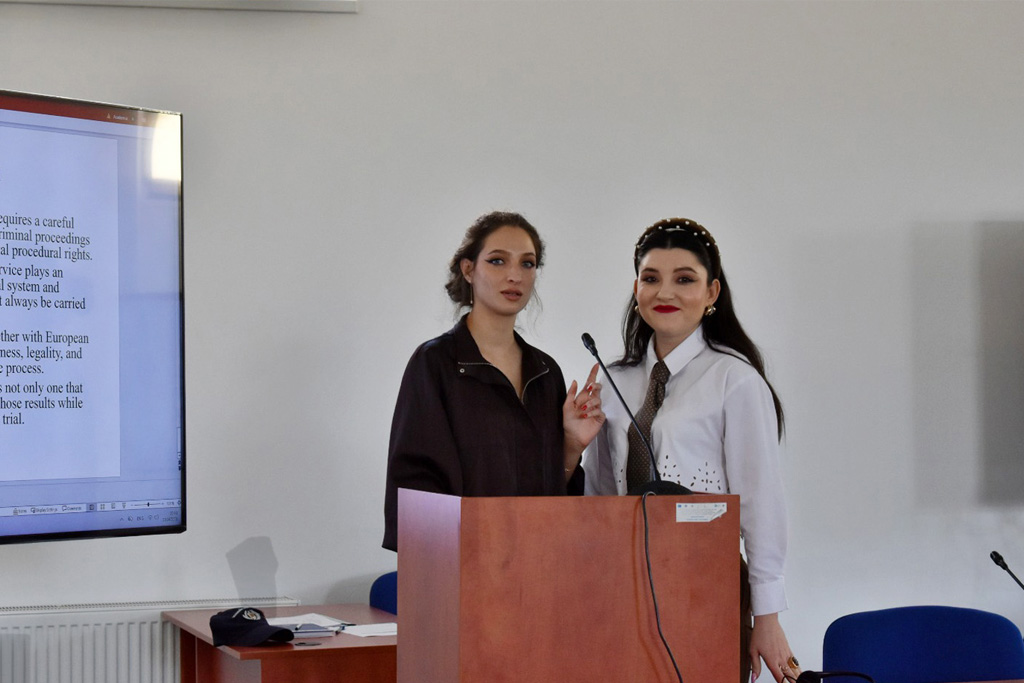
The main thematic focus centred on the protection of procedural rights and the practical implementation of these rights by law enforcement authorities across the participating countries. The workshop provided a structured platform for presenting and comparing national legislative frameworks, identifying existing gaps and operational challenges, and discussing needs for further harmonisation and improvement. Participants also examined real-life cases involving procedural irregularities alongside corresponding mitigating measures and corrective practices.
The exchange of perspectives revealed some key recurring themes, including:
- The distinction between suspects, the accused, and the detained, with particular attention to definitions, legal status, and associated rights.
- The practical application and interpretation of procedural safeguards in different jurisdictions.
- Challenges with the practical implementation of rights.
- The impact of improper observance of procedural rights on the integrity and outcomes of legal proceedings.
Innovation in Law Enforcement Training and Border Control
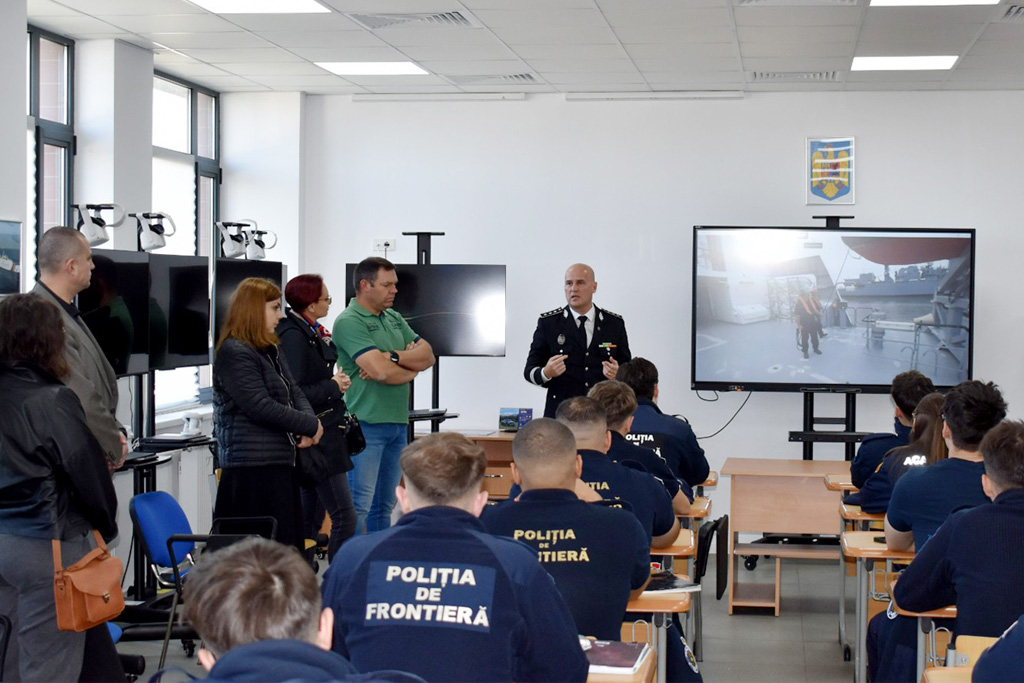
The second day of the workshop complemented the theoretical discussions with practical insights. Participants visited the facilities of the Police Academy, where they explored the integration of innovative training technologies, including virtual reality systems and 3D printing, used in preparing future law enforcement officers for duty. This hands-on component highlighted the role of modern tools in enhancing procedural awareness and operational readiness.
The programme concluded with a study visit to the Operational Coordination Centre of the General Inspectorate of the Border Police, offering participants a closer look at coordination mechanisms, real-time operational management, and cross-border cooperation practices. The tour provided valuable insights on responding to internal security challenges, such as illegal border crossings or smuggling.
Overall, the event not only deepened expertise but also reinforced a common European perspective on procedural justice, contributing to more effective and trusted law enforcement cooperation across borders.